

Table of Contents
ToggleTribulus Omanense: National Flower of the UAE
Have you ever wondered what makes a flower more than just a pretty plant? Tribulus Omanense, the National flower of the UAE, is a perfect example. Known for its bright yellow blooms that thrive in the harsh desert heat, this resilient plant tells a story of survival and strength.
But what makes it so special to the people of the UAE? Is it just about beauty, or is there a deeper connection to the country’s identity and way of life? Let’s dive into the fascinating world of this desert gem and uncover its secrets!

The United Arab Emirates (UAE) is a country full of culture, history, and meaningful symbols. One of its important symbols is Tribulus Omanense, the national flower of the UAE. This flower represents resilience, strength, and beauty, and it holds a special place in the hearts of the people, reflecting the country’s identity.
Tribulus Omanense, the National Flower of the UAE, is not just a plant—it’s a symbol of life thriving against all odds. Growing in the scorching desert heat, its bright yellow flowers stand as a testament to nature’s resilience.
Despite temperatures soaring above 40°C, this remarkable plant flourishes, much like the people of the UAE who have adapted to the challenging desert environment.
In this blog, we will explore everything you need to know about Tribulus Omanense ,National Flower of the UAE– its botanical characteristics, its significance in UAE culture, and its role in the ecosystem.
Symbolism and Ecological Importance of Tribulus Omanense
Tribulus Omanense, the UAE national flower, is a flowering plant that belongs to the family Zygophyllaceae. It is native to the Arabian Peninsula, specifically to the UAE and Oman, and is widely distributed across the Middle East. The plant has been adopted as the national flower of the UAE due to its unique characteristics and the values it represents.
Tribulus Omanense, the National Flower of the UAE, is a perennial herb that thrives in the harsh desert climates of the region, making it a perfect symbol for the UAE, which is known for its arid environment. The plant’s ability to survive and flourish in such challenging conditions reflects the resilience and tenacity of the people of the UAE.
Tribulus Omanense: The National Flower of the UAE, also known for its bright yellow blossoms, plays a crucial role in the local ecosystem. Its flowers not only add a vibrant touch to the arid landscapes but also serve as an essential source of nectar for pollinators like bees and butterflies. This delicate yet enduring plant embodies the UAE’s commitment to sustainability and its efforts to preserve the natural heritage of the region, making it a proud symbol of the nation’s cultural and environmental identity.
Characteristics and Appearance of Tribulus Omanense
- Belongs to the Zygophyllaceae family.
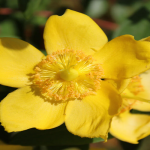
- Features delicate, yellow, five-petaled flowers.
- Arranged in a radial pattern, forming a star-like shape.
- Blooms in winter, transforming deserts into a sea of yellow.
- Common Names: Ghaff, Ghaff Tree (in Arabic: الغاف)
The National Flower of the UAE, Tribulus Omanense, holds deep cultural and environmental significance across the Emirates. Belonging to the Zygophyllaceae family, this hardy desert bloom is known for its delicate yellow, five-petaled flowers that form a radiant star-like shape. Blooming during the cooler winter months, it transforms the arid desert landscape into a vibrant sea of yellow, symbolizing resilience and natural beauty. Often referred to locally as the Ghaff or Ghaff Tree (Arabic: الغاف), this native species reflects the UAE’s commitment to preserving its unique flora and natural heritage.
Physical Appearance:
UAE national flower, Tribulus Omanense, is a small, low-growing plant that grows up to 30-50 cm tall. It has bright yellow flowers that bloom during cooler months, standing out against the sandy deserts of the UAE. The flowers are small, with five star-shaped petals. The plant also produces fruits with sharp spines, which is why it is sometimes called “puncture vine.”
The National Flower of the UAE, Tribulus Omanense, is a resilient and vibrant plant that symbolizes strength and endurance—qualities deeply rooted in Emirati culture. Thriving in the harsh desert climate, this low-growing plant brightens the arid landscape with its striking yellow blooms during the cooler months. Its ability to flourish in challenging conditions makes it a fitting emblem for the nation’s spirit and natural beauty.

Leaves and Stems:
Tribulus Omanense the UAE national flower has small, narrow leaves made up of tiny leaflets arranged along a central stem, called pinnate leaves. Both the leaves and stems are covered in fine hairs, which help the plant hold onto water and protect it from the desert’s heat and dryness.
The National Flower of the UAE, Tribulus Omanense, is well-adapted to the harsh desert environment, thanks to its unique leaf and stem structure. Its small, pinnate leaves, composed of tiny leaflets aligned along a central stem, are designed to minimize water loss. The presence of fine hairs on both the leaves and stems plays a crucial role in conserving moisture and shielding the plant from extreme temperatures, making Tribulus Omanense a perfect symbol of resilience in the UAE’s arid landscape.

Ecological Role:
Tribulus Omanense ,the National Flower of the UAE, plays a key role in the desert ecosystem. It helps prevent soil erosion by covering the ground and provides shelter for small animals. Its deep roots allow it to survive dry conditions by reaching water and nutrients underground. The plant also serves as food for insects, birds, and small mammals, supporting the area’s wildlife diversity.
As the National Flower of the UAE, Tribulus Omanense symbolizes the country’s resilience and natural beauty. Its ability to thrive in harsh desert climates reflects the strength and adaptability of the Emirati spirit. Celebrated not just for its ecological value, this yellow-flowered plant also holds cultural significance, representing the UAE’s deep connection to its native landscape.
Why Was Tribulus Omanense Chosen as the National Flower of UAE ?
The Tribulus Omanense may be a small flower, but it carries a big meaning for the UAE. This bright yellow desert flower was chosen as the National Flower of the UAE, because it represents strength, resilience, and adaptability—the same values that helped shape the country into what it is today.
Thriving in Tough Conditions
The National Flower of the UAE, Tribulus Omanense grows in the desert, where the sun is scorching, water is rare, and the land is dry. Despite these harsh conditions, the flower survives and even thrives. This reflects how the UAE, a country built in the middle of the desert, has grown into a modern and successful nation through hard work and determination.
A Symbol of Strength and Growth
The UAE didn’t become a global leader overnight. It took years of effort, vision, and perseverance to transform it into the country it is today. Tribulus Omanense represents that journey—it may be small, but it continues to grow and spread, just like the UAE keeps expanding and achieving new heights.
A Flower Deeply Connected to the UAE
Unlike roses or lilies that are commonly found in bouquets, Tribulus Omanense is a wildflower that has always been a part of the UAE’s natural landscape. By choosing it as the national flower, the UAE honors its roots and the environment that shaped its history and traditions.
The National Flower of the UAE, Tribulus Omanense, is more than just a botanical emblem—it reflects the spirit of the nation and its people. This small yet resilient flower thrives in the harsh desert environment, symbolizing the UAE’s ability to overcome challenges and flourish despite adversity. Its selection as the national flower highlights the country’s deep connection to its natural heritage, reminding citizens and visitors alike of the strength, perseverance, and ambition that have driven the UAE’s remarkable growth and success.
More Than Just a Pretty Flower
Many countries pick large, eye-catching flowers as their national symbols, but the UAE’s choice is different. Instead of focusing on appearance, the UAE picked a flower that tells a story of survival, progress, and resilience—qualities that truly define the nation.
By recognizing Tribulus Omanense, the UAE national flower, the country sends a powerful message: No matter how difficult the conditions, with determination and hard work, success is always possible.
When Was Tribulus Omanense Declared the National Flower of the UAE?
The Tribulus Omanense was officially declared the national flower of the United Arab Emirates (UAE) in 1973. This decision was made to recognize and protect the country’s native plant life while also choosing a symbol that reflects the UAE’s values of strength, resilience, and adaptability.
The UAE’s landscape is mostly desert, with extreme temperatures and limited water sources. Despite these tough conditions, the National Flower of the UAE, Tribulus Omanense, continues to grow and bloom, much like how the UAE has flourished into a successful and modern nation. By selecting this flower as a national symbol, the UAE highlights the importance of preserving its natural environment and honoring the plants that have always been a part of its land.
This declaration was also part of the country’s broader efforts to raise awareness about local plants and their role in maintaining ecological balance. As the UAE continues to expand and develop, protecting its native species remains a priority to ensure future generations can appreciate and benefit from them.
Who Declared Tribulus Omanense as the National Flower?
The Tribulus Omanense ,UAE national flower was officially declared the national flower of the United Arab Emirates (UAE) in 1973. The decision was made by the UAE government in collaboration with environmental experts to highlight and protect the country’s native plant life.
At that time, the UAE was still in its early years as a nation, having been formed in 1971 under the leadership of Sheikh Zayed bin Sultan Al Nahyan, the founding father and first President of the UAE. Sheikh Zayed was deeply committed to environmental conservation, and his vision played a major role in preserving the country’s natural resources.
In 1973, there wasn’t a dedicated Ministry of Environment in the UAE. Instead, environmental policies and decisions were managed by various governmental bodies under the guidance of the Federal Council of Ministers and the President. The declaration of Tribulus Omanense as the National Flower of the UAE was part of a broader initiative to recognize and protect the country’s native plants. These plants, including the resilient Tribulus Omanense, thrive in the UAE’s harsh desert conditions and symbolize strength, resilience, and adaptability—the very values that define the nation.
Over the years, the UAE has continued its commitment to environmental conservation. Today, the Ministry of Climate Change and Environment oversees policies related to sustainability and biodiversity, ensuring that native species like the Tribulus Omanense remain a vital part of the country’s natural heritage.

Did the UAE Have a National Flower Before?
No, before Tribulus Omanense was officially chosen, the UAE did not have a national flower. There was no single flower that was widely recognized as a national symbol.
How Can We Protect the National Flower?
Just like many other native plants, the Tribulus Omanense, the UAE’s national flower, faces several challenges that threaten its survival. These include:
- Urban Expansion – The UAE has seen rapid growth in cities, roads, and buildings. As a result, many natural green spaces where the Tribulus Omanense once grew freely are now disappearing. When land is developed, native plants lose their natural habitat.
- Overgrazing – Animals such as camels, goats, and sheep often feed on wild plants, including the Tribulus Omanense. When too many animals graze in one area, the plants don’t get a chance to grow back, making it harder for them to survive.
- Climate Change – Rising temperatures and unpredictable rainfall are also affecting native plants. The Tribulus Omanense is adapted to desert conditions, but extreme weather changes can still make it difficult for the plant to grow and reproduce.
What Can Be Done to Protect It?
To ensure the Tribulus Omanense continues to thrive, conservationists and environmental experts are taking several steps, such as:
- Creating Protected Areas – The UAE is setting up nature reserves where native plants like the Tribulus Omanense can grow without being disturbed by human activities or animals. These reserves help protect and restore the country’s natural plant life.
- Raising Awareness – Educating people about the importance of UAE’s native plants is key to their survival. Schools, environmental groups, and government programs help spread awareness about why preserving the Tribulus Omanense and other native species is essential for the country’s biodiversity.
- Encouraging Sustainable Landscaping – Many landscaping projects now focus on using native plants instead of imported ones. Planting flowers like the Tribulus Omanense in gardens, parks, and public spaces helps maintain the country’s natural beauty while reducing the need for excessive water and maintenance.
By protecting the Tribulus Omanense, we are not just preserving a national symbol but also taking care of the UAE’s rich natural heritage for future generations.
Where Can You See the National Flower?

If you want to see the national flower of the UAE, the Tribulus Omanense, in its natural environment, you can find it in several places across the country. This bright yellow flower grows in dry, sandy areas and is well-adapted to the desert climate. Here are some of the best places to spot it:
- Desert Landscapes – The national flower of the UAE, Tribulus Omanense, thrives in open desert areas where the soil is sandy and dry. If you take a trip outside the city into the UAE’s natural desert, you may come across this small but resilient flower growing close to the ground.
- Nature Reserves and Conservation Areas – Since the UAE is actively working to protect its native plant life, several nature reserves and protected areas have been established to help flowers like the Tribulus Omanense grow safely. Visiting these areas gives you a chance to see the national flower of the UAE in a well-preserved, natural setting.
- Sandy Roadsides and Open Spaces – Even in urban areas, you might spot the Tribulus Omanense growing in unexpected places, such as along sandy roadsides, near highways, and in open spaces where the soil is dry and undisturbed. These wildflowers often bloom after light rainfall, making them more noticeable during certain seasons.
Although the Tribulus Omanense is a small flower, its ability to survive in the UAE’s harsh climate makes it a true symbol of resilience. If you’re exploring the UAE’s natural landscapes, keep an eye out for this beautiful yet humble flower growing in the sand.
How to Grow Tribulus Omanense?
If you love the Tribulus Omanense, the National Flower of the UAE, and want to grow it yourself, you’ll be happy to know that it’s a low-maintenance plant that thrives in dry conditions. Since it naturally grows in the UAE’s desert climate, it doesn’t need much water or special care. Here’s what you need to know:
- Soil Type – Sandy and Well-Drained
The Tribulus Omanense, the National Flower of the UAE, grows best in sandy, well-drained soil. This means the soil should not hold too much water, as too much moisture can cause root rot. If you’re planting it at home, avoid heavy clay soil and instead use a sandy mix that allows water to drain easily. - Watering Needs – Very Low
This flower is highly drought-tolerant, which means it doesn’t need frequent watering. In fact, overwatering can harm the plant. If you’re growing it in a garden, watering it once in a while during extremely dry periods is enough. Otherwise, it can survive with natural rainfall. - Sunlight – Full Sun Exposure
The The National Flower of the UAE, Tribulus Omanense loves the sun! It needs full sunlight to grow well, so make sure to plant it in an area where it gets at least 6–8 hours of direct sunlight daily. This makes it perfect for outdoor gardens, sandy landscapes, or even roadside areas. - Temperature – Hot and Dry Conditions
Since it is a desert plant, the Tribulus Omanense thrives in high temperatures. It can handle extreme heat and doesn’t require any shade or humidity. It’s ideal for places with warm weather all year round, just like the UAE.
Significance of Tribulus Omanense in Emirati Culture
Symbol of Resilience:
Tribulus Omanense has long been admired in Emirati culture for its remarkable ability to survive in the harsh desert environment. Despite the extreme heat, with temperatures often exceeding 40°C in the summer, this plant thrives, symbolizing the strength and resilience of the UAE’s people. Much like the plant, the Emiratis have adapted to life in the desert, making the flower a powerful symbol of perseverance and endurance.
National Identity:
Tribulus Omanense, the UAE’s national flower, represents more than just natural beauty—it symbolizes the country’s heritage, values, and deep connection to its environment. By choosing this flower, the UAE honors its relationship with nature, which has shaped the culture and identity of its people. The plant stands for simplicity, endurance, and strength, qualities that reflect the UAE’s journey from its past to its future. The decision to adopt this flower underscores how nature plays an important role in defining the nation’s resilience and spirit.
Cultural Significance:
The plant is also valued for its role in traditional Emirati medicine. Its roots, stems, and seeds have been used in herbal remedies for centuries, offering a natural solution to ailments such as fever and digestive issues. The UAE’s rich knowledge of plants and their healing properties is an integral part of the country’s cultural heritage.

Tribulus Omanense in the UAE’s Flora
Tribulus Omanense is just one of the many desert plants that grow in the UAE’s harsh landscape, but it stands out for its unique qualities. Recognized as the National Flower of the UAE, this resilient plant thrives alongside other important native species like the date palm, ghaf tree, and sodom apple, each playing a key role in the desert ecosystem. However, what makes Tribulus Omanense particularly remarkable is its ability to survive and flourish in extreme conditions, showcasing its strength in a way that makes it truly special to the UAE.
The UAE government has taken steps to preserve the nation’s native flora, and the National Flower of the UAE, Tribulus Omanense, is often seen in conservation areas and national parks. Efforts to protect desert plants like this one help maintain the country’s natural heritage and promote environmental sustainability.
Beyond its ecological importance, Tribulus Omanense also holds cultural significance in the UAE. Its bright yellow flowers symbolize vitality and perseverance, qualities deeply valued in Emirati culture. Often used in traditional remedies and admired for its tenacity, this resilient plant serves as a reminder of the harmonious relationship between the UAE’s people and their natural environment.
Environmental Benefits of Tribulus Omanense
Soil Conservation:
One of the key environmental benefits of Tribulus Omanense is its role in preventing soil erosion. The plant’s extensive root system helps bind the soil together, preventing the wind from carrying away the precious topsoil that is vital for desert ecosystems. This is especially important in the UAE, where wind erosion is a common problem in the desert.Biodiversity Support:
Tribulus Omanense contributes to the overall biodiversity of the region by providing a habitat and food source for various desert species. The flowers of the plant attract bees and other pollinators, which are essential for maintaining healthy ecosystems. In turn, small animals such as rodents and insects use the plant for shelter and sustenance.Adaptation to Climate Change:
In today’s rapidly changing climate, plants like Tribulus Omanense offer valuable lessons in adaptation. The plant’s ability to withstand long periods of drought and extreme temperatures makes it a model of survival in a world where water scarcity is becoming an increasing concern. Its drought-resistant nature makes it an ideal candidate for future environmental restoration projects in arid regions.
The Role of Tribulus Omanense in Emirati Gardens and Landscaping
Although Tribulus Omanense is often found in the wild, it is also a popular plant for landscaping in the UAE. Many homeowners and public spaces plant the flower for its striking appearance and low-maintenance nature. It thrives in sandy soils and requires little water once established, making it ideal for desert gardens. Additionally, its bright yellow flowers add a touch of color to the arid landscape, creating beautiful, natural garden spaces.
Incorporating native plants like Tribulus Omanense into garden designs enhances sustainability and aesthetic appeal. For those looking to create stunning and eco-friendly outdoor spaces, the best landscaping services in Dubai, UAE can expertly integrate this resilient plant into customized landscape designs, ensuring beauty and efficiency in every project.
Medicinal Uses of Tribulus Omanense
In traditional Emirati medicine, Tribulus Omanense has been used for various therapeutic purposes. The plant is believed to have a range of health benefits, from reducing fever to improving digestion. The seeds, roots, and leaves are often used in the preparation of herbal teas, tinctures, and poultices.
Digestive Health:
The plant’s natural properties make it a useful remedy for digestive issues. It is commonly used to treat stomach discomfort, indigestion, and constipation. It is believed that the plant helps regulate bowel movements and soothe stomach pain.Fever Reduction:
Tribulus Omanense has been used to treat fevers and infections. The plant’s anti-inflammatory properties are thought to help reduce fever and alleviate symptoms of colds and flu. It is also used in combination with other herbs to treat various ailments.General Wellness:
The plant is also known for its general health benefits. Some believe that Tribulus Omanense helps boost energy levels and improve overall vitality. It is often consumed as part of a healthy diet to maintain good health.
Conservation Efforts and the Future of Tribulus Omanense
Tribulus Omanense is more than just a flower—it’s a cultural treasure, a natural healer, and a vital part of the UAE’s ecosystem. But like many native plants, it faces serious challenges. Urban growth, climate change, and overgrazing threaten its natural habitats. So, what’s being done to protect it? The UAE is stepping up with initiatives like protected areas and national parks to preserve its unique plant life. These efforts reflect the country’s dedication to sustainability and the protection of its incredible biodiversity for the future. Will these actions be enough to save this desert gem? Only time will tell!
Efforts to Protect Tribulus Omanense
Though Tribulus Omanense is a tough desert flower, it’s facing trouble these days majorly due to the rapid urban development and animals grazing too many of these plants. Because it’s so special, everyone is playing their part to save it. Here’s how –
Safe Spots:
Making special places where the Tribulus Omanense can grow without worry. This gives the flower room to grow and helps the desert stay healthy.
Teaching People:
Spreading the word about how cool this flower is! The more people who know about it, the more will want to help protect it.
Smarter Land Care:
Finding ways to take care of the desert without hurting the Tribulus Omanense. This means keeping the land healthy so the flower can keep thriving.
By doing all this, we can make sure this beautiful flower keeps blooming in the desert for a long, long time!
Conclusion
Tribulus Omanense isn’t just a flower—it’s a story of survival, beauty, and connection to the UAE’s roots. How does such a delicate-looking plant thrive in the harsh desert heat? Its role goes beyond looks, as it supports the ecosystem, holds medicinal value, and reflects the UAE’s spirit of resilience. But as the country grows and changes, the big question remains: how can we ensure that treasures like this continue to bloom for generations to come?
The National Flower of UAE, Tribulus Omanense, is more than just a symbol of beauty—it represents strength and resilience in the face of extreme desert conditions. This vibrant yellow flower plays a crucial role in maintaining biodiversity, supporting pollinators, and preserving the natural heritage of the region. By gifting the National Flower of UAE through Jenny Flowers, the best flower delivery shop in Dubai, UAE, you’re not only sharing a thoughtful and culturally significant present but also promoting sustainability and appreciation for the country’s rich botanical heritage. Let this unique flower be a reminder of the UAE’s enduring spirit and deep-rooted traditions.
Gifting the National Flower of the UAE – Tribulus Omanense benefits your loved ones in Dubai. It would be the most authentic, cultural, and helpful gift you can give them through Jenny Flowers